
At least 31 dead in floods, landslides as Tropical Storm Nalgae nears southern Philippines
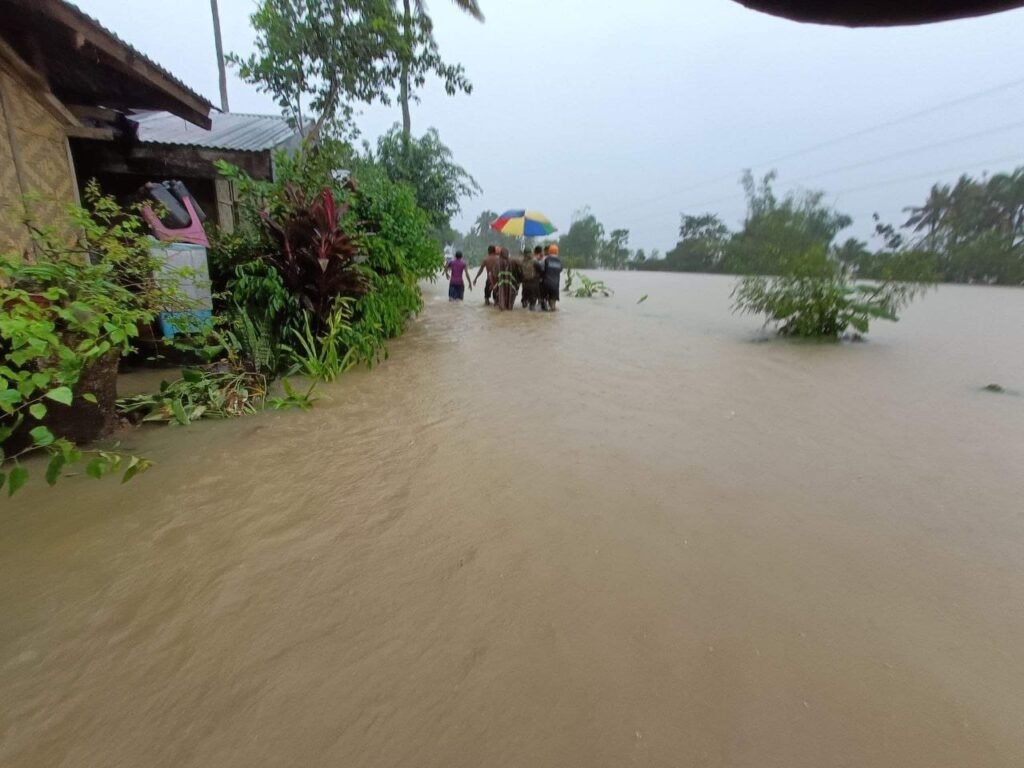
Flash floods and landslides triggered by torrential rains that drenched a southern Philippine province overnight killed at least 31 people and left nine more missing, according to officials. Some residents were stranded on their roofs.
According to Naguib Sinarimbo, the interior minister for a five-province Muslim autonomous region governed by former rebels, the majority of the dead were washed away by raging floodwaters and drowned or were struck by debris-laden mudslides in three towns in hard-hit Maguindanao province.
“The amount of rainwater that came down overnight was unusually (heavy) and flowed down mountainsides and swelled rivers,” Sinarimbo told The Associated Press by telephone.
“I hope the casualty numbers won’t rise further but there are still a few communities we haven’t reached,” Sinarimbo said, adding the rains have eased since Friday morning, causing floods to start to recede in several towns.
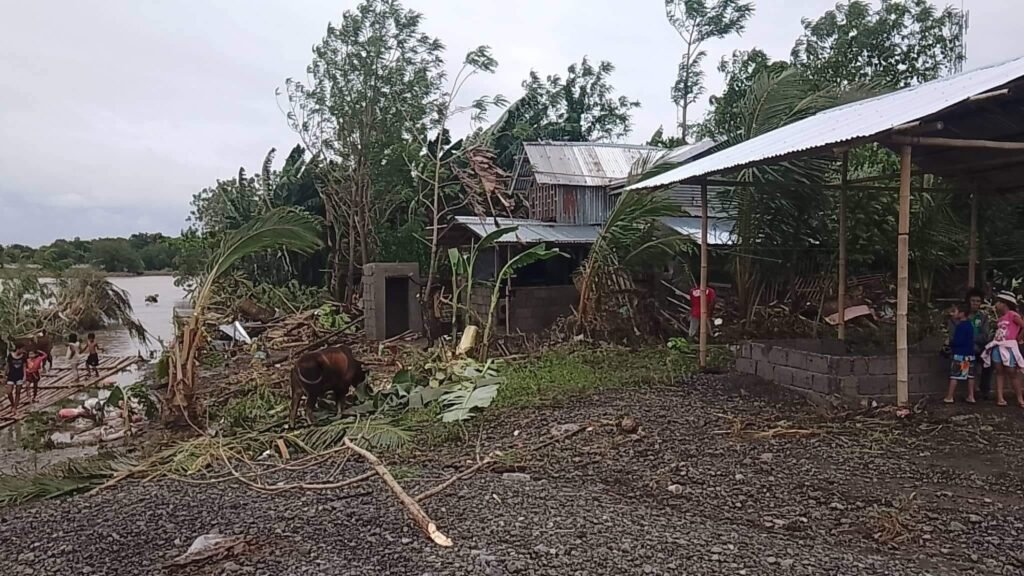
According to reports from mayors, governors, and disaster response officials, five more people perished in Upi town in Maguindanao, while 26 more died primarily by drowning in the nearby coastal towns of Datu Odin Sinsuat and Datu Blah Sinsuat.
Marshall Sinsuat, the mayor of Datu Blah Sinsuat, said that five persons were missing and that four more were listed as missing elsewhere.
In order to investigate claims that floods and landslides also affected homes in the community, a rescue team was sent to the tribal village of Kusiong at the base of a mountain in Datu Odin Sinsuat, according to Sinarimbo. She said that there were no immediate reports of casualties.
Forecasters predicted that Tropical Storm Nalgae will come in from the Pacific Ocean on Saturday morning, causing extremely heavy rains to inundate numerous cities in Maguindanao and neighboring provinces overnight in a hilly region with marshy plains.
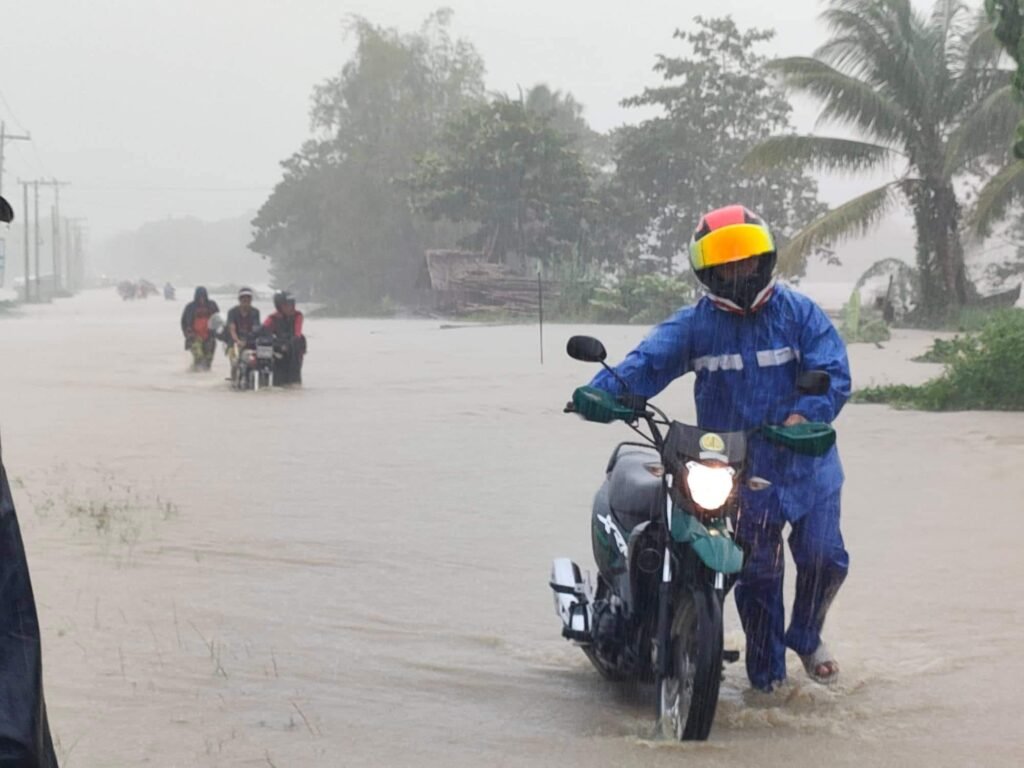
In many low-lying settlements, floodwaters rose quickly, forcing some residents to clamber onto their roofs where they were saved by army personnel, police officers, and volunteers, according to Sinarimbo. He continued by saying that several places that had not experienced flooding in years, like the city where he resides, Cotabato, were inundated over night.
Nalgae, the 16th storm to hit the Philippine archipelago this year, was able to dump rain in the south of the country despite moving farther north, according to official forecaster Sam Duran.

In order to safeguard them from the storm’s course, about 5,000 people were moved out of the way, according to government forecasters and other officials. The storm was not anticipated to intensify into a typhoon as it reached land.
Each year, the archipelago of the Philippines is hit by about 20 typhoons and hurricanes. The Southeast Asian country is one of the most disaster-prone in the world because of its location in the Pacific “Ring of Fire,” which runs along the majority of the Pacific Ocean rim and experiences frequent earthquakes and volcanic eruptions.


