Queen Elizabeth II, Britain’s longest-reigning monarch, dies at 96
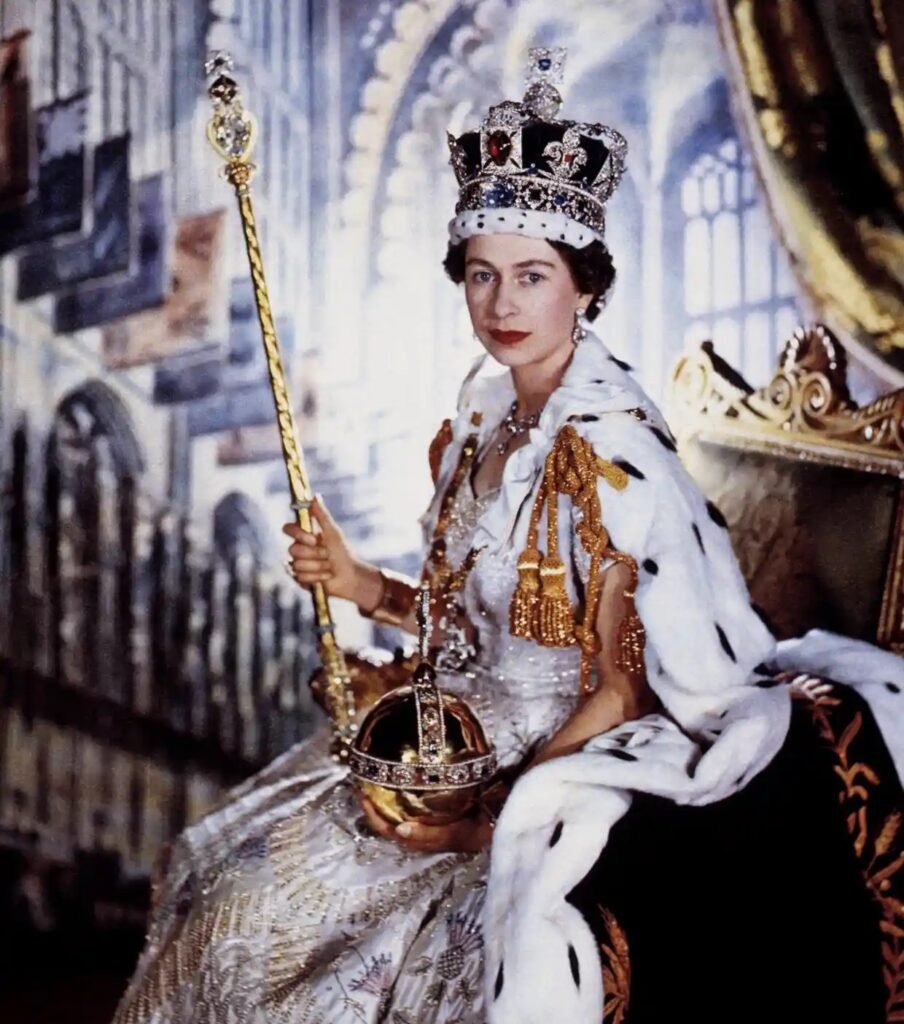
Queen Elizabeth II of the United Kingdom passed away at the age of 96 in Scotland at her Balmoral home.
At 6:30 p.m., Buckingham Palace declared, “The Queen passed away quietly at Balmoral this afternoon.” UK time zone local time.
After postponing a meeting with the Privy Council on Wednesday, Britain’s longest-serving monarch became sick early on Thursday.
Anyone from her family who wasn’t already in Balmoral hurried to the spot.
Her heir, Prince Charles, now King Charles III, and his wife Camilla, the queen consort, would stay in Balmoral and would go back to London in the morning, according to a statement from Buckingham Palace.
Her death means Charles now becomes king, and the Duchess of Cornwall the Queen Consort.
In a statement on Thursday evening, the King said: “The death of my beloved mother, Her Majesty the Queen, is a moment of the greatest sadness for me and all members of my family.
“We mourn profoundly the passing of a cherished sovereign and a much-loved mother. I know her loss will be deeply felt throughout the country, the realms and the Commonwealth, and by countless people around the world.
“During this period of mourning and change, my family and I will be comforted and sustained by our knowledge of the respect and deep affection in which the Queen was so widely held.”
Ascending the throne in 1952, Elizabeth led the UK through a time of political upheaval. She began her reign as head of an empire, albeit one in decline. By the time of her death, the future of the UK itself was in doubt, with recurrent calls for independence in Scotland and Britain’s exit from the European Union leading to renewed tension in Northern Ireland.
Elizabeth became the UK’s longest-serving monarch in 2015, when she surpassed the record of Queen Victoria, who had ruled from 1837 to 1901. The partner whom Elizabeth described as her “strength and stay,” Prince Philip, her husband of 73 years, died in April 2021, at 99.